

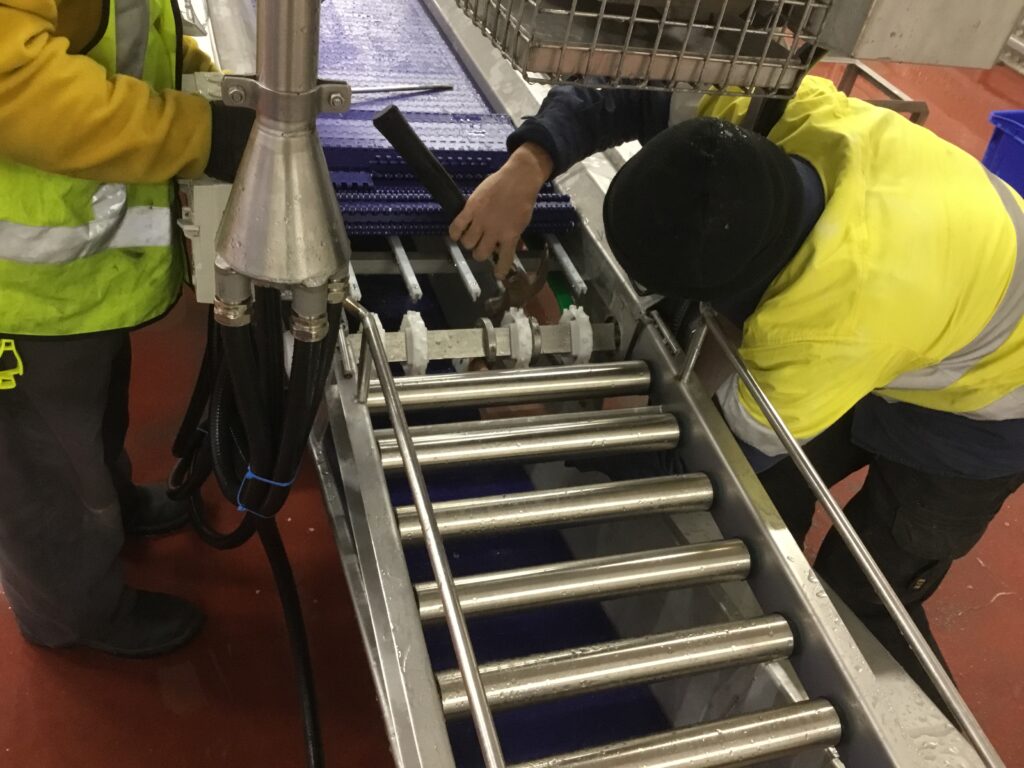
Enhancing Efficiency and Productivity
Manufacturing companies need to keep improving to stay competitive. Streamlining
processes, cutting costs, and improving product quality are crucial goals. By applying
the right strategies, manufacturers can reduce waste, make better use of resources,
and improve workflow. Here, we share key strategies to help manufacturers boost
efficiency and productivity.
- Implement Lean Manufacturing Principles
Lean manufacturing is a well-tested method that helps reduce waste, improve
efficiency, and add more value for customers. By finding and removing activities that
don’t add value, manufacturers can work more efficiently and lower unnecessary costs. - Automate Where Possible
Automation is changing the way manufacturing works. Using robots, automated
systems, and smart software, companies can boost accuracy, reduce mistakes, and
speed up production. Automation also allows workers to focus on more complex tasks
while machines handle the repetitive or precise jobs. - Focus on Continuous Improvement plans
“Continuous improvement” is the practice of making small changes that can lead to big
results over time. It encourages employees at all levels to regularly suggest better ways
to improve processes, equipment, and workflows. - Optimize Inventory Management
Effective inventory management is key to making manufacturing more efficient. It’s
important to control stock levels to avoid shortages or excess. Methods like Just-In-
Time (JIT) ensure materials arrive when needed, cutting down storage costs.
Need to get pics of inventory setup and well organized. - Standardize Workflows
Standardized workflows reduce errors and ensure consistent production quality. By
defining clear procedures for every step, you can minimize variation in tasks, identify
bottlenecks, and ensure smoother operations. - Invest in Employee Training and Development
Skilled employees are a company’s greatest asset. Regular training keeps them
updated on the latest tools, techniques, and safety practices. Cross-training allows
them to handle different roles, making the workforce more flexible. - Utilize Data Analytics
Data analytics provides valuable insights into manufacturing operations. Real-time
data helps predict problems, improve workflows, and make better decisions. For
instance, predictive maintenance can reduce unexpected downtime and extend
equipment life. - Maintain Equipment and Facilities Proactively
Proactive maintenance is crucial to prevent unexpected downtime and expensive
repairs. Regular checks and predictive maintenance tools keep equipment running
smoothly and extend its lifespan.
Conclusion
Streamlining manufacturing processes needs a mix of technology, lean practices, and
ongoing improvement. Using strategies like lean manufacturing, automation,
continuous improvement, inventory management, standardized workflows, employee
training, data analytics, and proactive maintenance can make operations more
efficient, productive, and profitable.
How CHEFS Can Help Your Business Stay Competitive
To remain competitive, your business needs to streamline processes, cut costs, and
enhance product quality. The right strategies can minimize waste, optimize resources,
and improve overall efficiency.
Curious to learn more? Reach out to our team at CHEFS to book a consultation and
discover how we can meet your business needs.
No responses yet